I design from the view that our experience is shaped by the material conditions we find ourselves in.
Through our tools, we make sense of the world, understand ourselves, and find meaning within our lives.
I’m fascinated by this relationship. My goal is to explore how we might engage with the world more meaningfully through the tools we design.


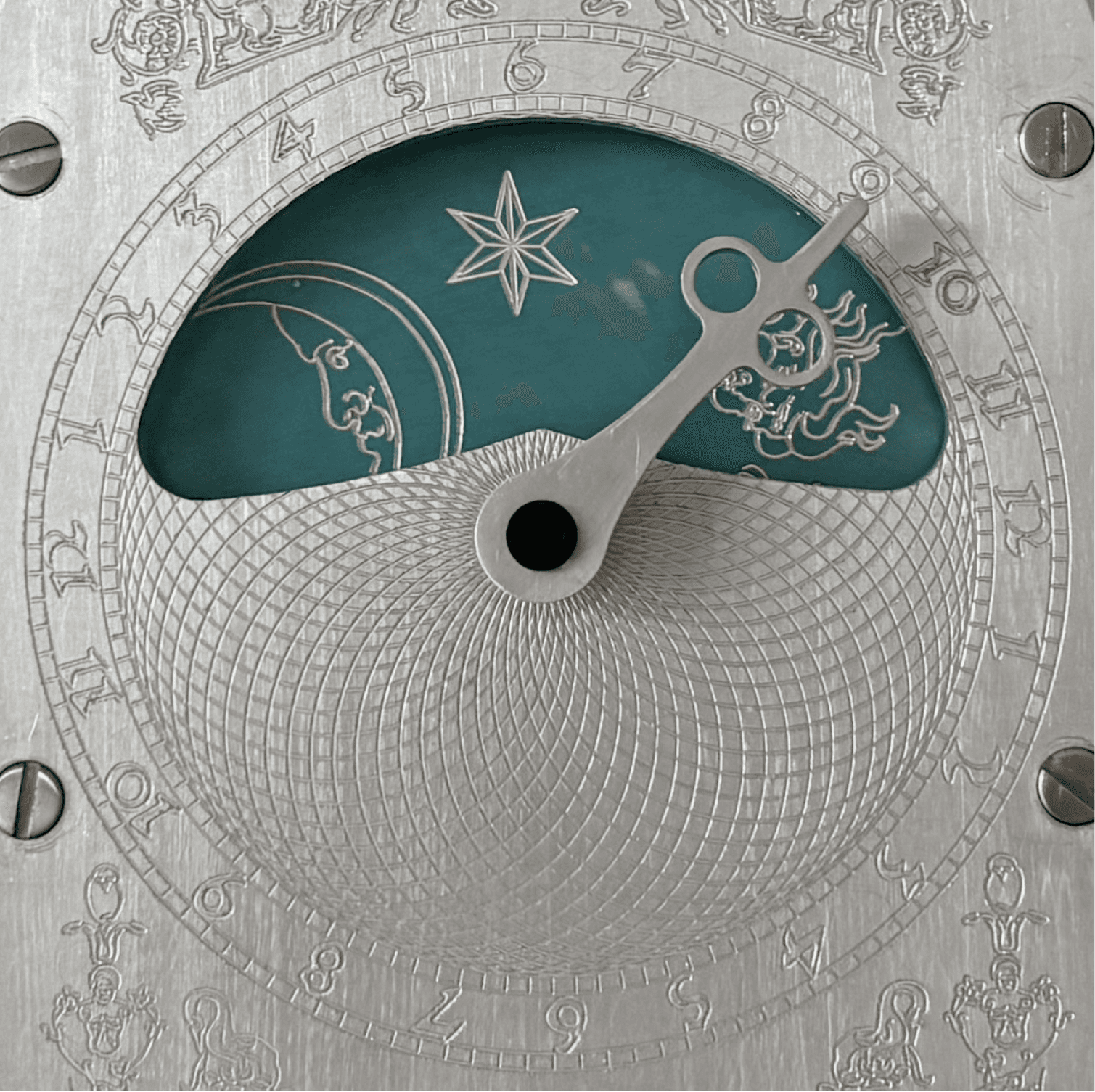
I build functional prototypes to investigate how technologies organize lived experience.
The questions I care about cannot be answered entirely from a distance. Things are known through use before they are known as objects, so I move quickly from questions into CAD, electronics, and working prototypes. Building makes an idea real enough to encounter and test rather than merely imagine.
EXPERIENCE IS THE SUBJECT
The artifact matters because it is where experience takes form, but the subject of my work is the lived experience it helps organize. I am interested not only in what a technology does, but in the conditions of experience it makes possible.
ARTIFACTS CARRY ASSUMPTIONS
Designing a tool is also practicing a philosophy of technology, whether formalized or not. Technologies carry histories and assumptions about how they should be inhabited, often materialized in the artifact itself.
PROTOTYPES MAKE THOSE ASSUMPTIONS VISIBLE
I design prototypes as probes for aspects of technological experience that are normally lived but not explicitly noticed. Making and testing can expose those assumptions, complicate the original question, and reveal what the design is actually doing in the life around it.
A lot of design practice is organized around how optimized a product is around a market fit. It’s a necessary concern, and if done well it often delivers as intended. But a product doesn't end at that delivery; it becomes a part of someone’s life. My practice has grown from that difference.
Professional product work has been part of that formation. Working inside real industry constraints taught me what it actually takes to make something exist in the world. It helped clarify something I had already felt: the questions I care most about are not only whether a product is optimized, but what kind of human experience it organizes around itself. I want to make that second question actionable within the same decisions that determine what gets built.
I see that as a kind of responsibility. The objects we produce become part of a situation through which people make sense of the world and find meaning within their lives. That means every design decision is also a decision about how an aspect of life can be lived. I find that responsibility genuinely beautiful, and it’s what keeps bringing me back to the question of experience. It’s not a theoretical preference, but the only way of designing that feels true to what designing actually is.
made by me for you, 2026